Get inspired for your next home improvement projects by browsing through our blog posts, which are full of great tips, valuable advice, and industry insights.

Blog
Last reviewed: August 02, 2026
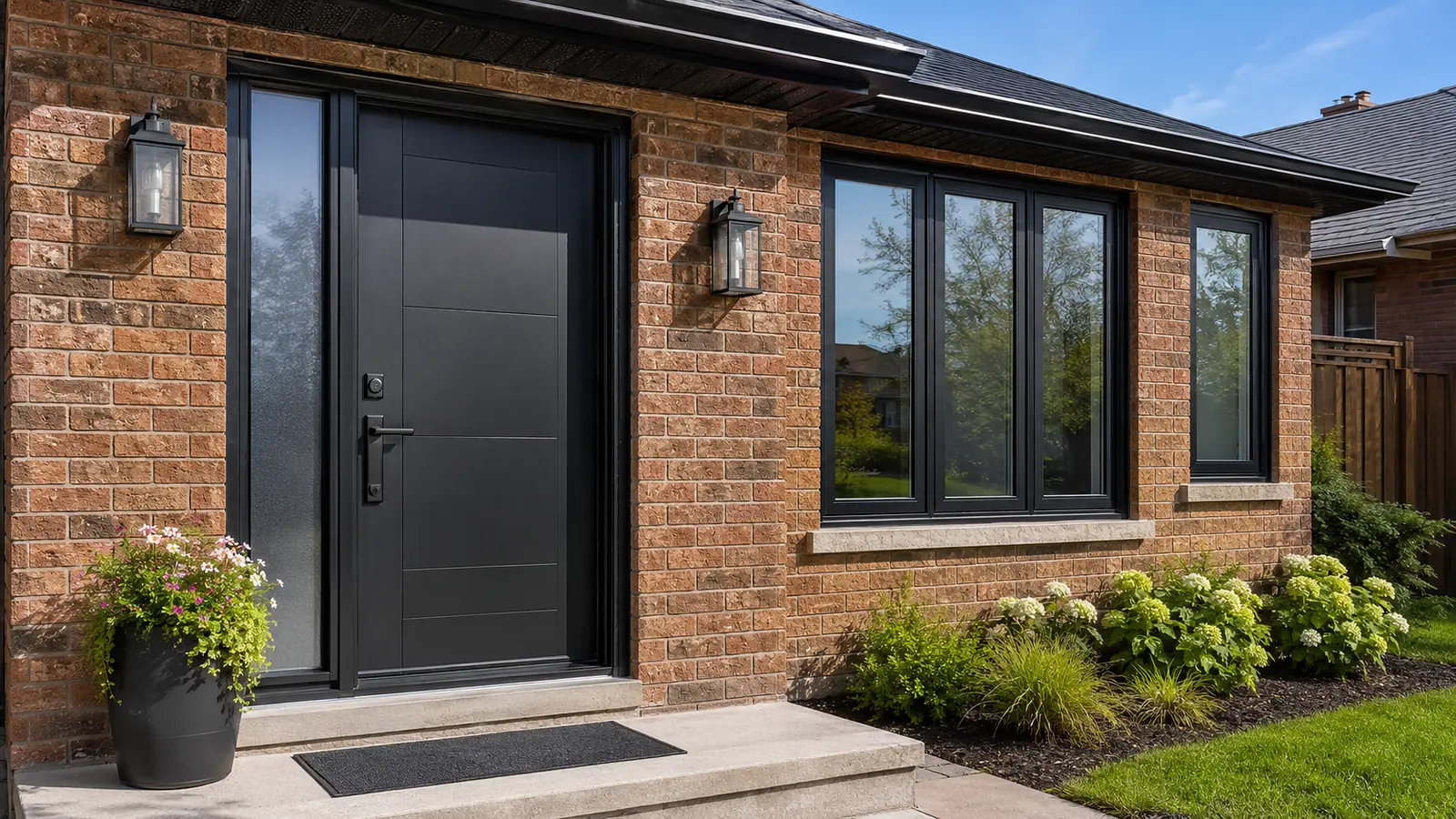
A secure home is not created by one expensive lock, one camera or one reinforced door. Effective home security depends on several layers working together: strong doors and windows, quality locks, secure glass, professional installation, exterior lighting and everyday habits that reduce opportunities for forced entry.
This is especially important in Toronto and the Greater Toronto Area, where homes can have several possible access points. In addition to the front entrance, a property may have a side door, garage-to-house door, sliding patio door, ground-floor windows and basement windows that receive less attention.
No residential product can make a home completely burglar-proof. The practical goal is to make unauthorized entry more difficult, time-consuming, visible and noisy while ensuring that everyone inside can still exit quickly during a fire or another emergency.
This guide explains how to evaluate your home’s doors, windows, locks and glass, which security upgrades provide meaningful protection and which products may create a false sense of security.
The most effective home-security improvements are:
The strongest improvement is usually not one product. It is correcting the weakest entry point while making sure the door, frame, lock, glass and installation work as one complete system.
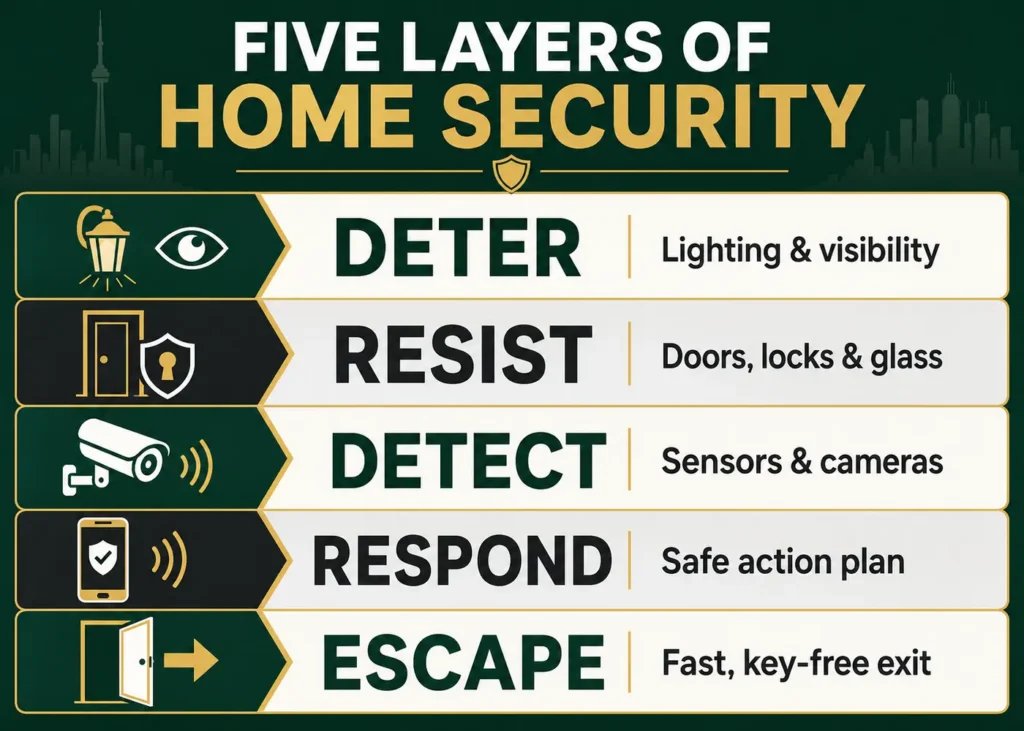
A secure home uses several layers rather than relying on one product.
Good lighting, visible cameras, maintained landscaping and an occupied appearance can discourage someone from approaching the property unnoticed.
Strong doors, secure frames, deadbolts, laminated glass and properly locked windows can make forced entry more difficult and time-consuming.
Door sensors, window sensors, alarms, cameras and attentive neighbours can help identify suspicious activity or an attempted entry.
A household should know how to contact emergency services, where to go and what not to do if a break-in is suspected.
Security improvements must not trap occupants inside. Everyone should be able to unlock exterior doors and open required escape windows quickly without searching for a key or tool.
The best system balances intrusion resistance with fire safety, daily convenience and dependable operation.
Before purchasing new locks or glass, walk around the outside of the home and identify every possible entry point.
Inspect:
For each opening, ask:
The Toronto Police Service recommends evaluating a property from the perspective of someone looking for an easy, concealed opportunity to enter. The purpose is not to make homeowners fearful. It is to identify weaknesses before they become problems.
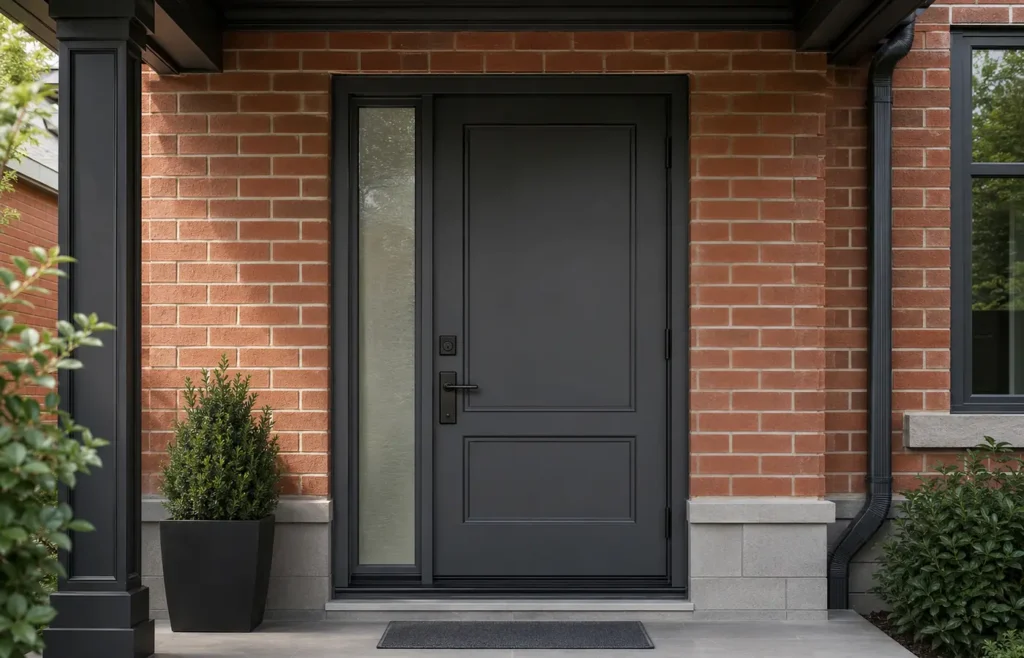
A front door should be evaluated as a complete system rather than as a door slab with a lock attached.
The complete system includes:
A strong door installed in a damaged or weak frame will not provide the expected protection. Similarly, an expensive lock cannot compensate for a door that does not close correctly or a strike plate attached only to thin trim.
Modern steel entry doors provide a durable exterior surface, insulated core and reinforced lock area. They are a strong option for homeowners prioritizing security, weather resistance and low maintenance.
The quality of the frame, lock block, hardware and installation is still as important as the steel facing.
Modern fiberglass entry doors can also provide strong security when built with a reinforced lock area and installed in a secure frame.
Fiberglass is resistant to rust and warping and can provide the appearance of wood without the same maintenance requirements. Security depends on the construction of the complete door system—not simply the exterior material.
Steel may offer greater resistance to certain types of surface impact, while fiberglass provides excellent strength, durability and weather resistance. Either material can be part of a secure entrance.
The better comparison includes:
Homeowners planning a complete entrance upgrade can review Imperial’s Entry Door Replacement Toronto guide for additional information about materials, glass, cost and installation.
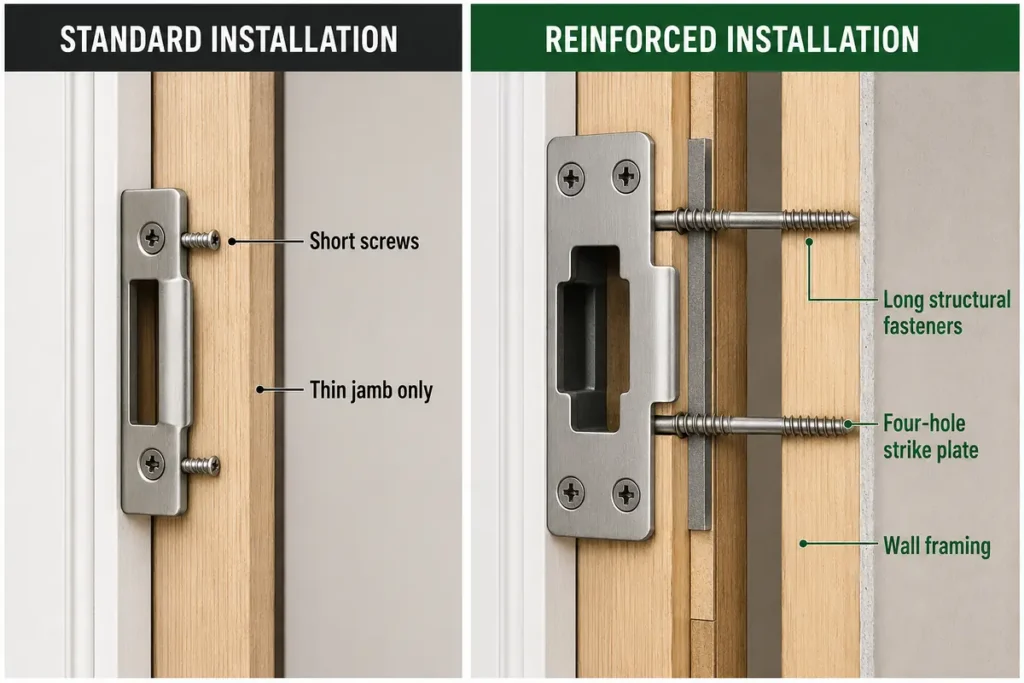
In many forced-entry attempts, the lock itself is not the first component to fail. The wood surrounding the strike plate may split, the fasteners may pull out or a damaged jamb may separate from the structure.
Toronto Police recommends:
The exact fastener type and length should match the door, frame and wall construction. A professional installer can determine how the assembly should be anchored without damaging nearby glass, wiring or building components.
The strike plate should be attached securely and aligned so the deadbolt extends fully without needing to lift, push or pull the door.
A deadbolt that only enters partway may not provide its intended protection.
The hinge side also requires:
Look for:
Repeatedly installing larger screws into a damaged frame is not always a reliable repair. If the jamb or surrounding material has lost its structural strength, the affected components may need reinforcement or replacement.
A good exterior lock must work with the door, frame and household’s emergency-exit requirements.
A spring latch operated by a doorknob or lever should not be treated as the primary security lock. Exterior doors should have a quality deadbolt that extends fully into a reinforced strike plate.
The deadbolt should operate smoothly without needing to force the door into position.
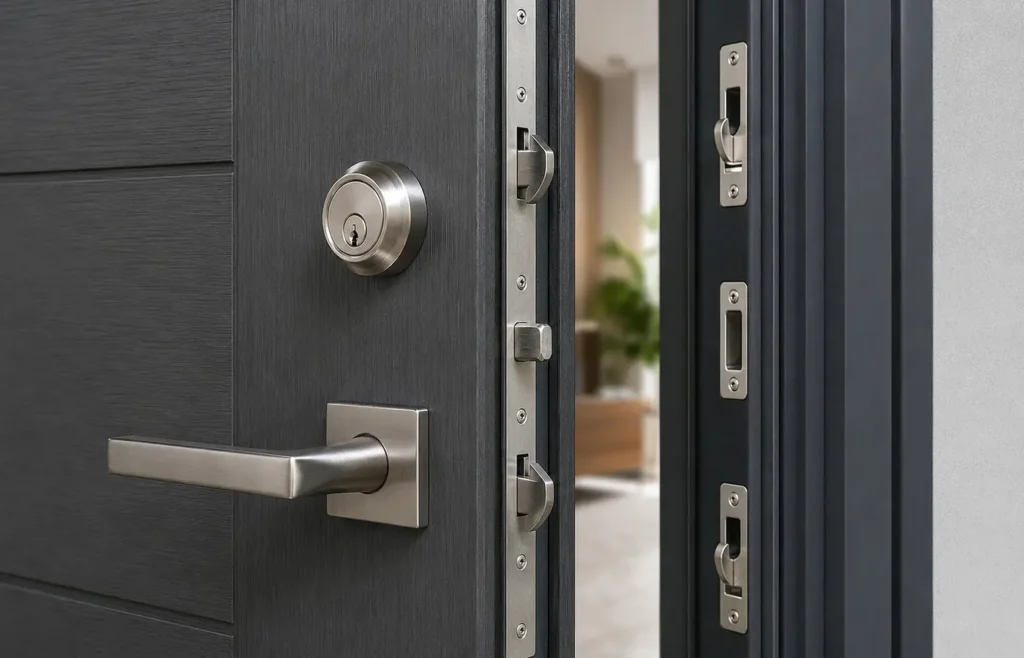
A multi-point lock secures the door at several positions along the frame instead of relying on one locking point.
Potential advantages include:
A multi-point system is not automatically high security. Its performance depends on the quality of the hardware, the frame, correct adjustment and whether every locking point engages completely.
Recognized standards include separate categories for residential deadbolts, high-security cylinders and multi-point locks. The Builders Hardware Manufacturers Association identifies the relevant ANSI/BHMA lock and hardware standards.
Rekey or replace locks when:
Avoid hiding spare keys under mats, planters, mailboxes or other predictable locations. Give a spare to a trusted person or use a properly managed keyless system.
A double-cylinder deadbolt requires a key from both sides. It may appear attractive where glass is located close to the lock, but it can delay emergency escape if the key is not immediately available.
A safer approach is often to protect nearby glass with laminated or tested security glazing while preserving quick, keyless operation from inside. Confirm that any lock arrangement complies with applicable building and fire-safety requirements.
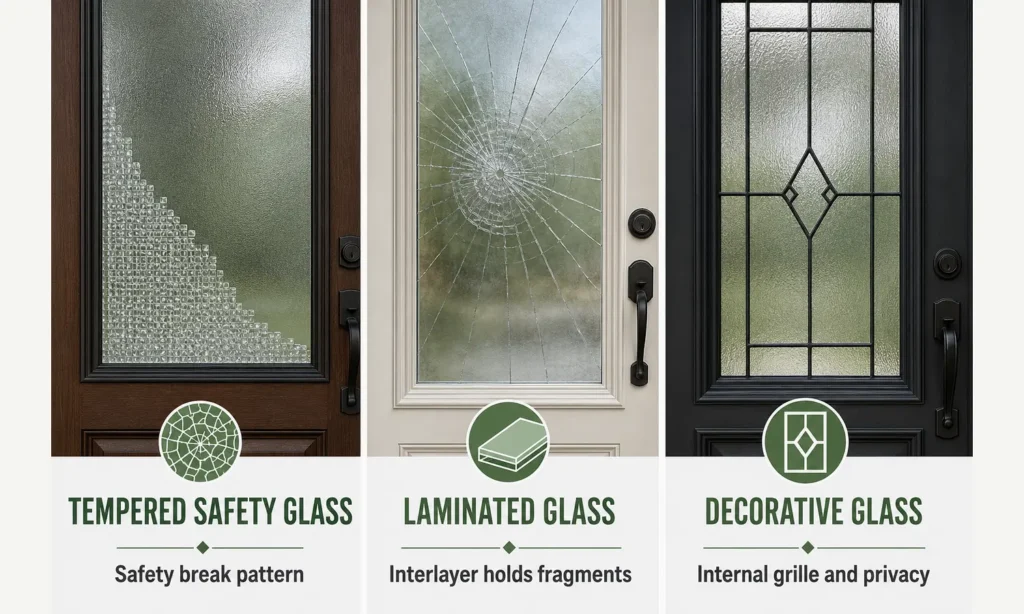
Decorative glass can provide natural light and curb appeal without automatically making an entrance unsafe. The important questions are:
Homeowners can explore Imperial’s selection of modern entry doors with glass and custom options, but security should be considered during the design stage—not after the door has been manufactured.
Tempered glass is heat-treated safety glass designed to break into relatively small pieces instead of large, dangerous shards.
This is an important safety feature, and tempered glass is commonly required in doors and other hazardous locations. However, tempered glass should not automatically be described as high-security or forced-entry-resistant glass.
Laminated glass contains an interlayer that helps hold cracked glass together after impact.
This can make a quick reach-through more difficult and may delay entry. Laminated glass is not unbreakable, and different products provide different levels of performance.
When security is a major concern, ask for the construction and any applicable test information for the exact glass product.
Decorative grilles may add another physical layer, but their value depends on:
Do not assume every grille or wrought-iron design is a tested security product.
Frosted, textured or privacy glass can reduce the view into an entrance. Internal blinds can also help homeowners control visibility without relying on curtains beside the door.
Privacy does not replace secure glass and locks, but it can prevent people outside from easily seeing valuables, keys or whether a person is near the entrance.
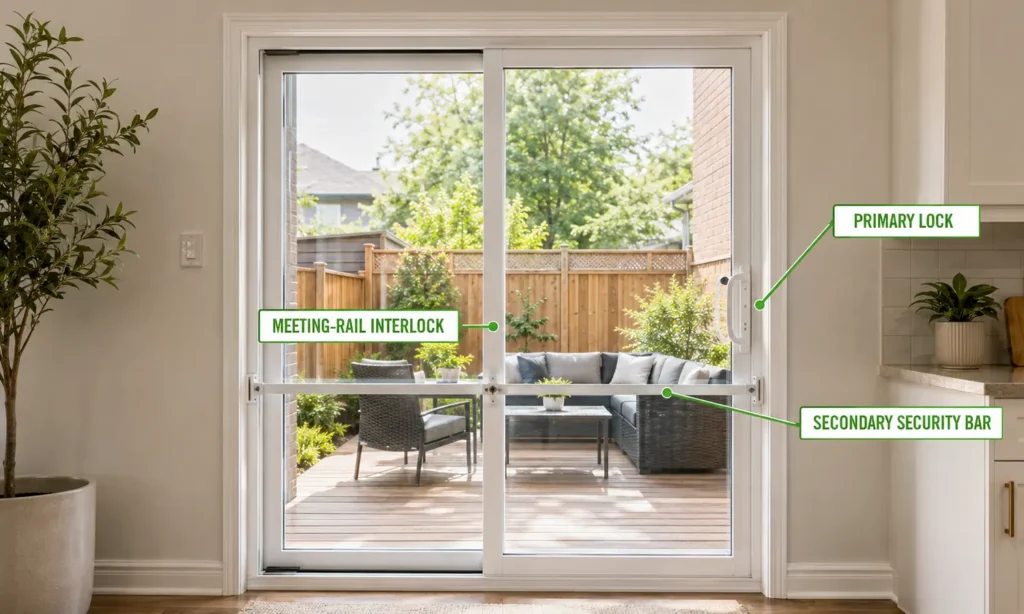
Sliding patio doors provide natural light and convenient access to a backyard, deck or balcony. Their large glass area and sliding operation mean the lock, interlock, rollers, track, glass and frame must work together.
The Toronto Police Service recommends using commercially available bars or secondary locks—or an appropriately fitted dowel in the track—to help prevent a sliding door from opening.
The factory lock should:
A latch that barely catches should be adjusted or replaced.
Some modern patio doors use locking systems that engage at more than one point. This can provide better resistance than a loose, worn single latch when the system is properly aligned.
Options may include:
Any added device should be compatible with the door and should not damage the insulated glass, frame, drainage system or operating hardware.
Before drilling into a patio-door frame, consult the manufacturer or installer. Incorrect drilling can damage the door, affect its warranty or create a risk of glass breakage.
Some older sliding doors may have excessive space above the moving panel. A compatible anti-lift device can limit upward movement while allowing the door to operate normally.
The best solution depends on the product design. Avoid improvised alterations that interfere with drainage or emergency exit.
A balcony does not automatically make a patio door inaccessible. Keep balcony doors closed and locked when not in use.
Laminated glass or a professionally selected security-film system may add delay after impact. Door contacts, glass-break sensors and cameras can add detection but should not replace physical locking protection.
Homeowners replacing an aging or poorly operating slider can review Imperial’s sliding patio doors and available locking, glass and frame options.
Windows should close completely, lock correctly and remain securely attached to the structure. Ground-floor and basement openings deserve particular attention, but upper windows may also be accessible from low roofs, decks, fences or stored ladders.
Homeowners can review Imperial’s complete range of replacement windows for Toronto homes when existing frames, locks or sashes no longer operate properly.
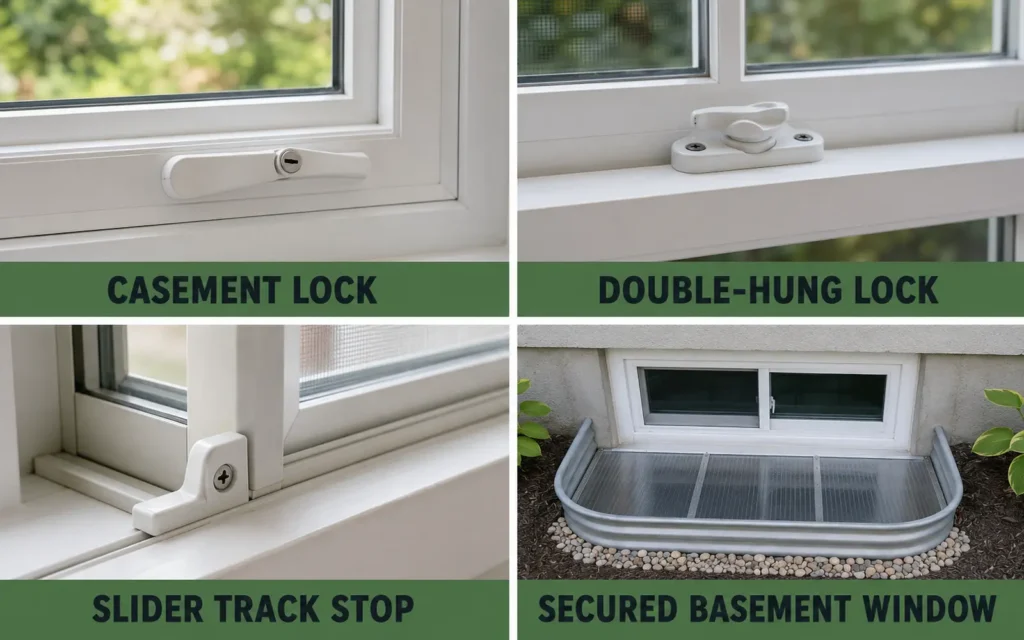
Casement and awning windows close against compression seals and often use locks that engage the sash at one or more locations.
For proper security:
Modern casement windows can combine ventilation, energy efficiency and positive locking when the hardware is maintained and used correctly.
Sliding and hung windows may benefit from suitable secondary protection such as:
Secondary devices must be installed carefully. They should not damage the glass, interfere with drainage or prevent emergency escape.
Toronto Police recommends a properly fitted stick or track device for sliding windows and notes that certain overlapping frames can be pinned. Consult the window manufacturer or installer before drilling.
A double-hung window has two operating sashes. Both sashes should close and interlock correctly before the locks are engaged.
A meeting-rail lock cannot work properly if:
Basement windows are often close to ground level and may be partly hidden by window wells or landscaping.
Improve their security by:
If a basement bedroom relies on a window for emergency escape, do not install a device that requires a key or tool to open from inside.
A window air conditioner can prevent the window from locking normally. The unit and opening should be secured against removal while preserving ventilation, drainage and a safe emergency plan.
Not every product marketed as stronger glass provides the same protection.
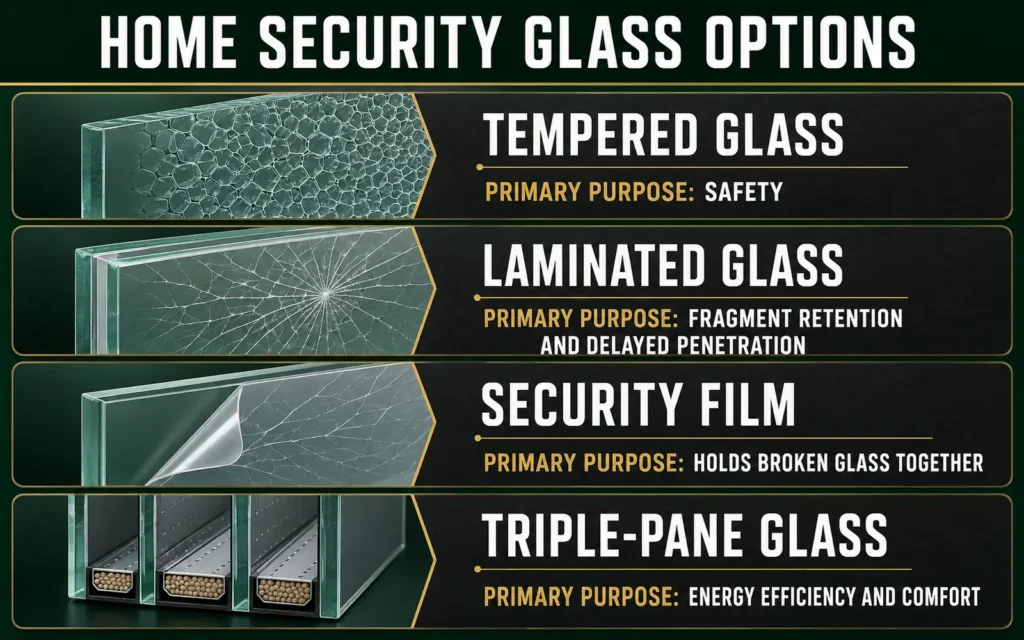
Tempered glass is designed to break into smaller pieces instead of dangerous large shards. It is commonly used in doors and other locations where human impact is possible.
Tempered glass can still break and create an opening. Its main purpose should not be confused with forced-entry resistance.
Laminated glass includes an interlayer that helps retain broken glass.
Potential benefits include:
Laminated glass is not automatically a tested forced-entry product. Construction, thickness, interlayer and framing all affect its performance.
Security film is applied to existing glass and may help hold fragments together after impact.
Important limitations include:
Before applying film to an insulated glass unit, confirm compatibility with the glass manufacturer and warranty. Some films can increase thermal stress depending on the glass, coating, exposure and installation.
Triple-pane windows are designed primarily for thermal and comfort performance. An extra pane does not automatically provide meaningful forced-entry resistance.
If security is the goal, ask specifically about laminated glass, tested security glazing, reinforced frames and locking hardware.
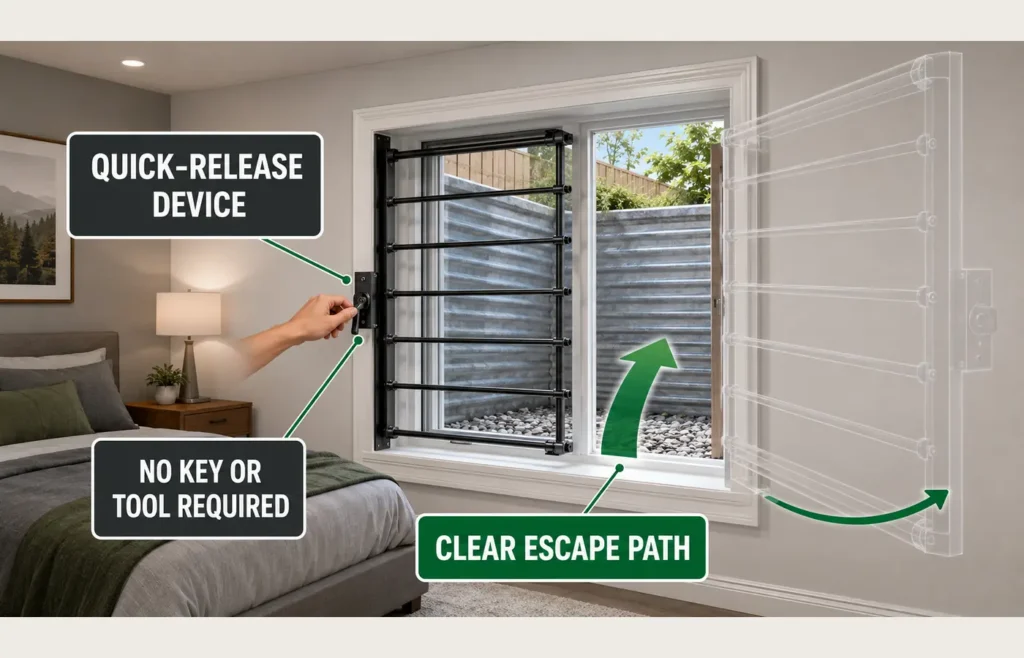
Bars can provide a strong physical barrier, but they may create a life-safety hazard if they block an emergency exit.
Bars installed on a required escape window should have a quick-opening device that can be operated from inside without a key or tool. Confirm applicable building and fire-safety requirements before installation.
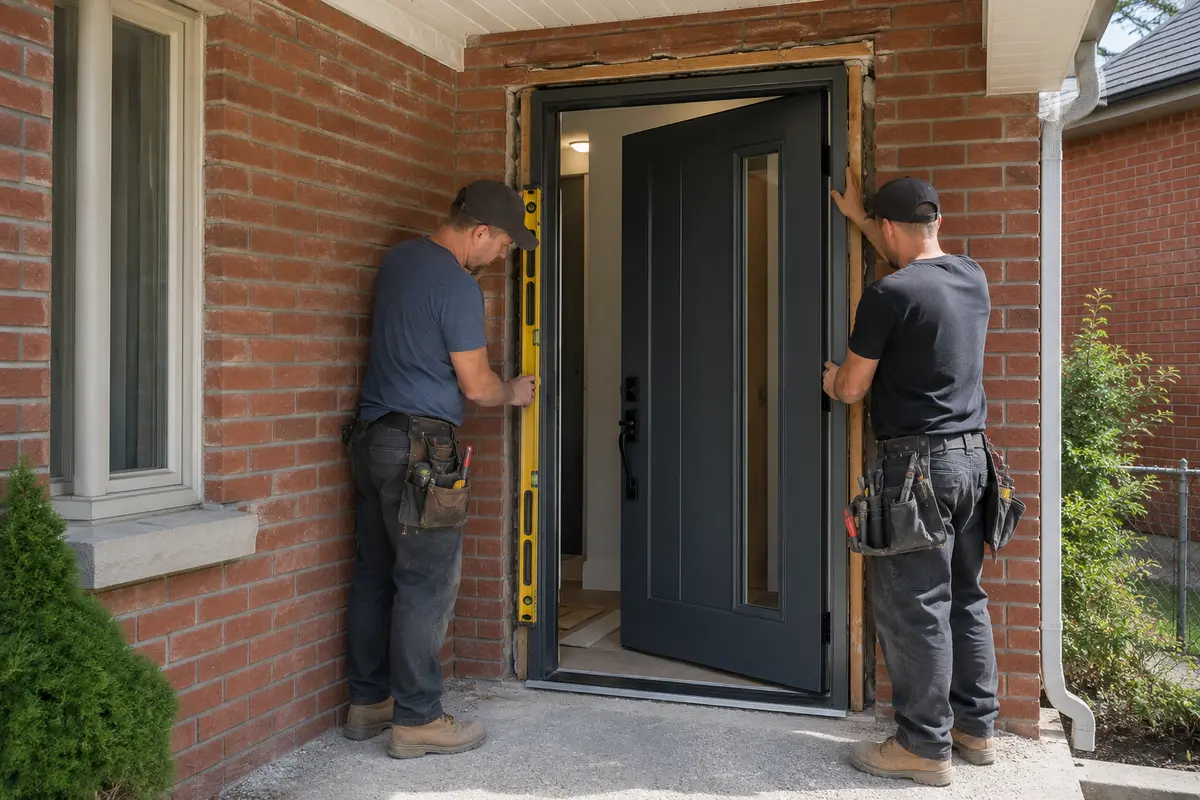
A secure door or window must be properly connected to the building.
Professional installation affects:
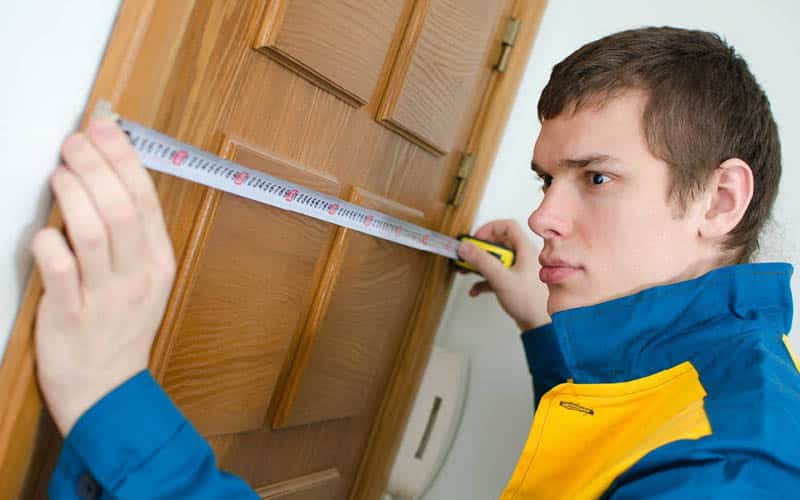
A replacement door should be:
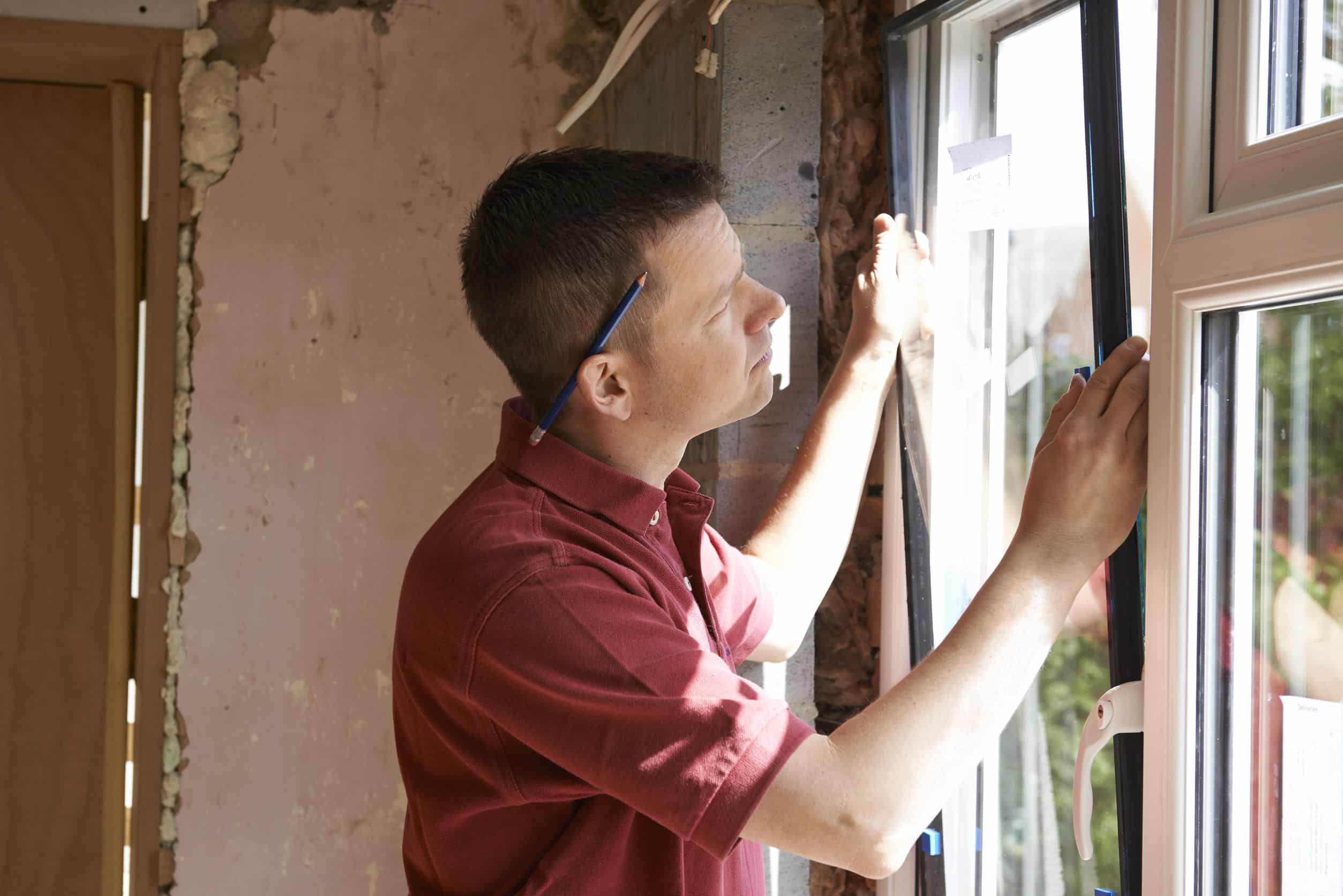
A replacement window should be:
Imperial’s professional window and door installation guide explains why the product and installation must work together.
An expensive security upgrade installed in a loose, damaged or out-of-square frame may provide less protection than expected.
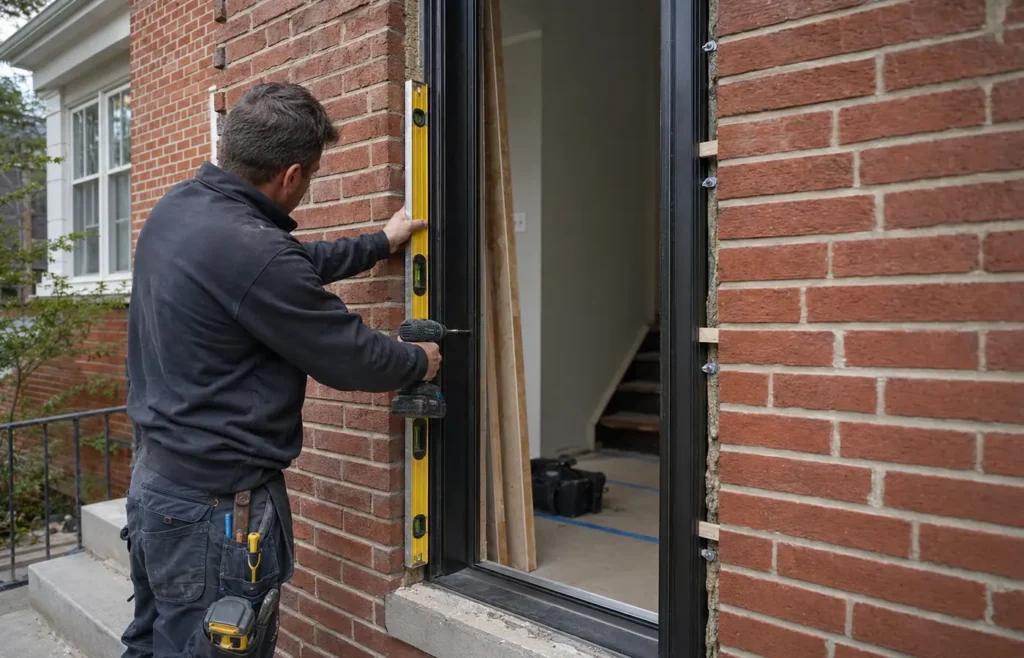
The front door may receive the most attention, but a less visible entrance may present a better opportunity for unauthorized access.
Inspect:
The door between an attached garage and the house should be treated as an important security point. Once someone enters the garage, they may be concealed from neighbors and the street.
Homeowners should:
Toronto Police recommends keeping garages and sheds locked so tools inside cannot be used to enter the home.
Physical security should be supported by visibility and detection.
Consider lighting:
Motion-activated lighting can draw attention to movement, while consistent low-level lighting can reduce dark hiding areas.
Aim fixtures carefully so they illuminate the property without shining unnecessarily into neighbouring homes or streets.
Trim shrubs and branches that hide doors or ground-floor windows.
Avoid placing:
Security should not make a home look unwelcoming. The goal is to create clear sightlines and reduce concealed working areas.
Cameras may help with detection, documentation and remote awareness. They do not physically reinforce a weak door or window.
Choose camera locations that:
Door contacts, window contacts, glass-break sensors and monitored alarms can add an important detection layer.
Test sensors regularly and make sure household members know how to use the system. An alarm that is frequently disabled or ignored provides little value.
When away:
Toronto Police describes residential break-ins as commonly involving opportunity. Visible occupancy cues can reduce the appearance of an easy, unattended target.
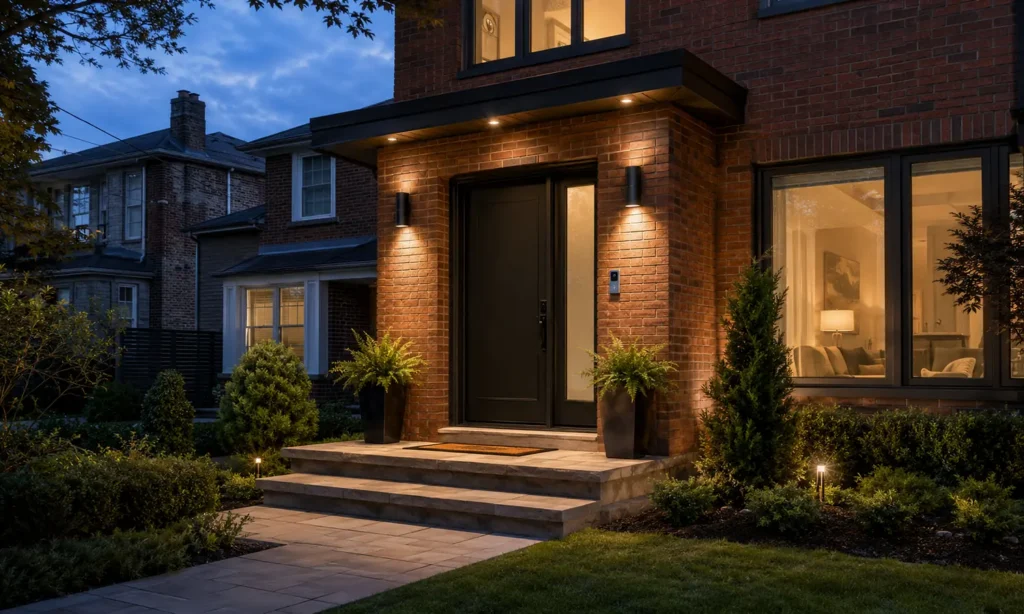
A smart lock can improve convenience and key management, but it does not automatically make the door stronger.
Possible benefits include:
Security still depends on:
When choosing a smart lock:
A smart lock that tries to force a deadbolt into a misaligned strike can drain batteries and may fail to lock completely. Correct door installation and alignment remain essential.
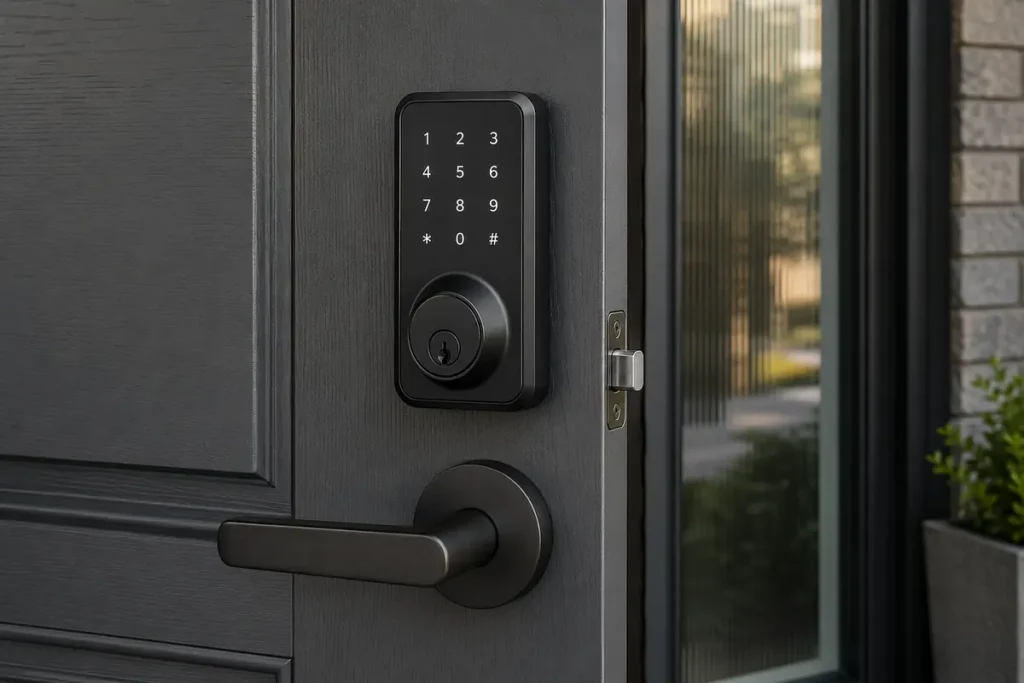
A home-security upgrade should make entry from outside more difficult without making escape from inside dangerous.
Toronto Fire Services recommends planning a primary and alternate escape route and making sure family members can unlock doors and open windows quickly.
Important safety principles include:
Security bars can be effective physical barriers, but Toronto Fire warns that bars without a quick-opening device may prevent escape during an emergency.
A double-cylinder deadbolt may reduce reach-through access beside glass, but it can also delay escape. Laminated glass and a properly designed entrance may provide a safer balance.
Homeowners do not have to complete every improvement at once. Start with the highest-risk or weakest entry point.
Start with a security audit, correct the weakest opening and then add detection and convenience features.
Not every security concern requires complete replacement. A loose lock or worn keeper may sometimes be repaired.
Replacement should be considered when:
A professional assessment should separate hardware problems from structural problems. Replacing a lock will not repair a weakened frame, while replacing an entire door may be unnecessary when the structure remains solid and only the hardware is worn.
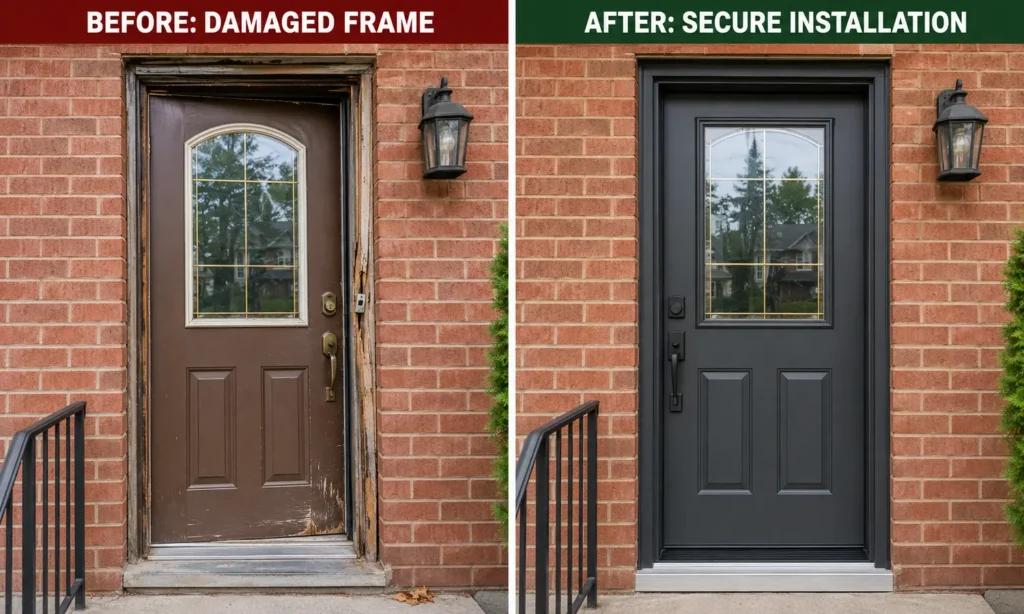
Imperial Windows & Doors helps Toronto and GTA homeowners improve the physical security, operation and condition of their exterior doors and windows.
Our services include:
During an estimate, we can help identify:
Imperial is a window-and-door contractor, not a police service, locksmith, alarm company or security consultant. We cannot guarantee that any product will prevent every attempted break-in.
Our role is to provide properly selected, professionally installed windows and exterior doors that improve security, operation, energy efficiency and long-term performance.
Homeowners can view our completed window and door projects and read customer reviews before requesting an estimate.
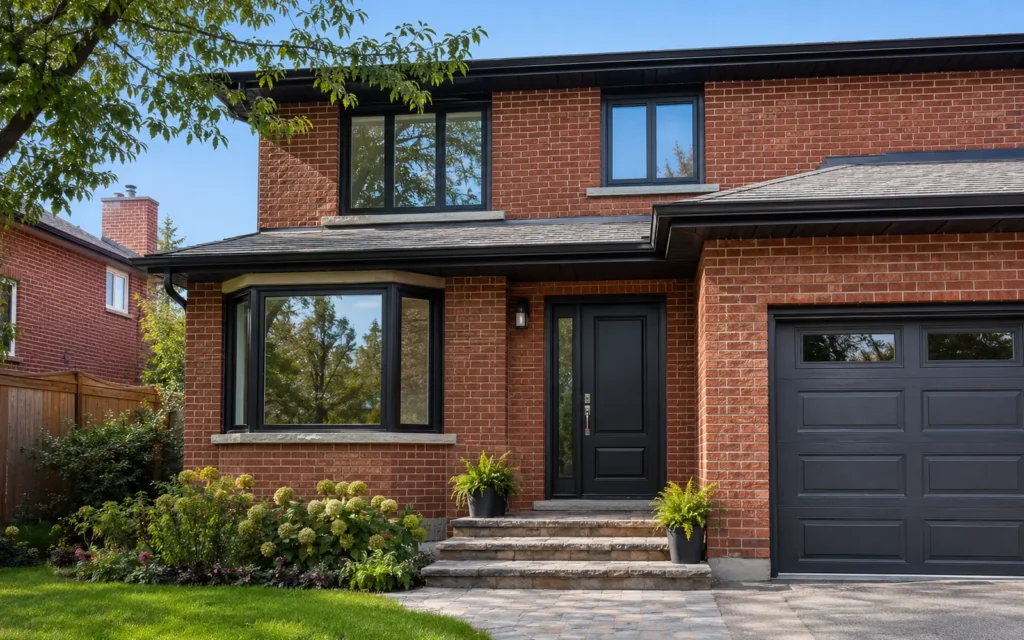
Start by inspecting every exterior door and accessible window. Repair any opening that does not close or lock properly, then reinforce the weakest entry point. A quality deadbolt, reinforced strike plate and secure frame often provide more value than adding technology to a weak door.
Steel doors provide a durable exterior surface and strong impact resistance. Fiberglass doors can also provide excellent security when built with a reinforced lock area and installed in a secure frame. The frame, deadbolt, strike plate, hinges, glass and installation are as important as the door material.
A quality deadbolt that extends fully into a reinforced strike plate is a strong foundation. Multi-point locking systems can add protection by securing the door at several positions. The best lock must be compatible with the door and allow quick emergency exit from inside.
A properly installed multi-point lock can distribute force across several areas of the frame and improve resistance to prying. Its performance still depends on hardware quality, frame strength, adjustment and whether every locking point engages correctly.
Smart locks provide convenience, access codes, notifications and remote status checks. They do not automatically strengthen the door or frame. Choose tested hardware, protect the account, maintain the batteries and make sure the deadbolt aligns properly.
Entry doors with glass can be secure when the glass type, lock location, frame and complete door design are selected carefully. Laminated glass can help prevent a quick reach-through opening because the cracked glass remains attached to its interlayer.
Tempered glass is safety glass designed to break into relatively small pieces. Laminated glass includes an interlayer that helps retain broken glass and may delay penetration. Tempered glass should not automatically be treated as security glass.
No. Security film may help hold broken glass together and delay penetration, but the glass can still break. Film thickness, installation and attachment to the frame affect performance. It should not be described as burglar-proof or automatically equivalent to laminated glass.
Triple-pane windows are designed primarily for energy efficiency and comfort. An additional pane does not automatically provide meaningful forced-entry resistance. Security depends more directly on laminated glass, locks, frame strength and installation.
Keep the main lock properly adjusted, add a compatible security bar or secondary lock and use a manufacturer-approved anti-lift device where required. Do not drill into the frame without consulting the manufacturer or installer.
Bars can provide a strong physical barrier, but they must not block a required emergency exit. Where bars are permitted on an escape window, they should have an interior quick-release mechanism that does not require a key or tool.
No residential door or window should be advertised as completely burglar-proof. Strong products and professional installation can deter, resist and delay entry, but effective home security requires several physical, detection and behavioral layers.
If a break-in appears to be happening or there is an immediate threat to a person or property, call 9-1-1.
If you return home and suspect someone has entered:
For a Toronto incident that is no longer in progress and does not involve an immediate threat, the Toronto Police non-emergency number is 416-808-2222 or *TPS (*877) from a mobile phone.
Toronto Police provides additional advice through its break-and-enter prevention information.
The most secure home is not necessarily the one with the most expensive lock, the thickest glass or the largest number of cameras.
It is the home where:
Start by inspecting every entrance, identify the weakest point and correct it before adding more technology.
If your entry door, patio door or windows no longer close, lock or protect the opening properly, request a free estimate from Imperial Windows & Doors. We can assess the existing products, explain the available replacement options and help you choose a secure, professionally installed solution for your Toronto or GTA home.

Imperial Windows and Doors have long been serving our valued clients for over 10 years to be exact. We strive to deliver our clients only the finest solutions guaranteed to suit their needs, style, preferences and budget.

Imperial Windows & Doors provides professionally installed replacement windows, entry doors and patio doors for homeowners across Toronto and the GTA.