Get inspired for your next home improvement projects by browsing through our blog posts, which are full of great tips, valuable advice, and industry insights.

Blog
Last reviewed: July 30, 2026
Toronto homeowners comparing replacement windows often reach the same question: should they choose double-pane or triple-pane glass?
The short answer is that a high-performance double-pane window can provide excellent value for many Toronto homes. Triple-pane windows are often worth considering when winter comfort, condensation resistance, outside noise or maximum energy efficiency is a priority.
The right decision depends on more than the number of glass panes. The complete window design, certified energy ratings, installation quality, room location and actual price difference all matter.
This guide explains how double-pane and triple-pane windows compare in Toronto’s climate, which performance ratings homeowners should examine and when paying for the third pane makes practical sense.
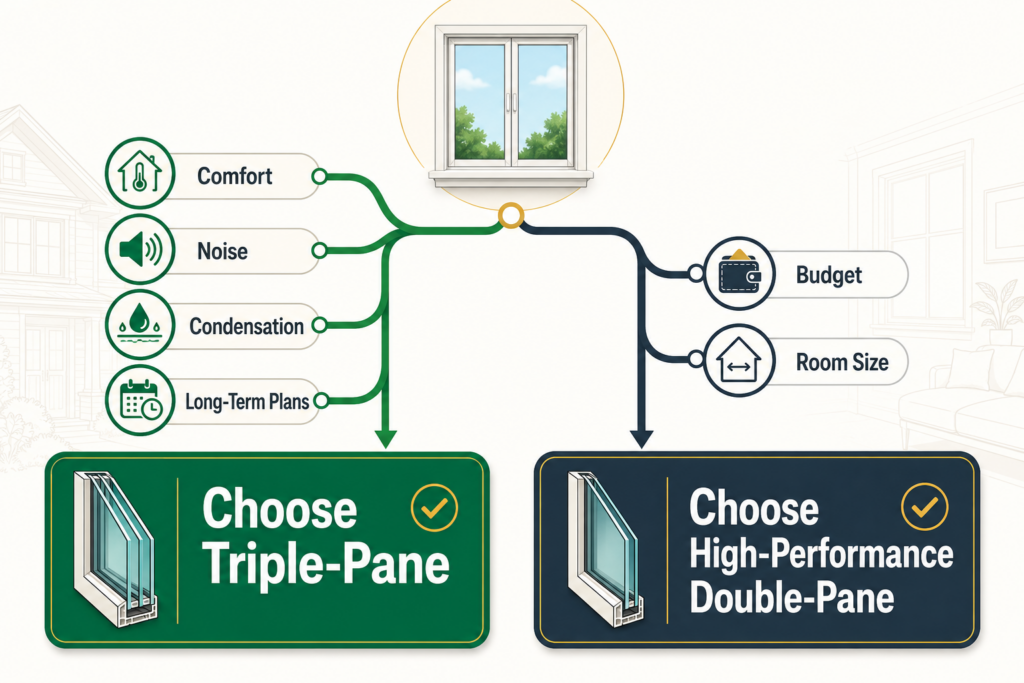
Choose triple-pane windows when:
Choose high-performance double-pane windows when:
For some Toronto homes, the best answer is a mixed glass-package strategy. Triple-pane windows can be installed in bedrooms, large north-facing openings and street-facing rooms, while efficient double-pane windows are used in quieter or less demanding locations.
Before mixing glass packages, confirm that their tint, visible light and exterior appearance will remain consistent.
A double-pane window, also called a double-glazed window, contains two panes of glass separated by one sealed cavity. The cavity is commonly filled with an inert gas such as argon, and one or more glass surfaces may receive a Low-E coating to reduce heat transfer.
A triple-pane or triple-glazed window contains three panes of glass and two sealed cavities. The additional pane and gas-filled space can reduce heat transfer and keep the room-side surface of the glass warmer during cold weather.
However, the glass package is only one component of a complete window. Its performance also depends on:
Two windows can both be advertised as triple-pane and still have significantly different performance ratings. The same is true of double-pane windows.
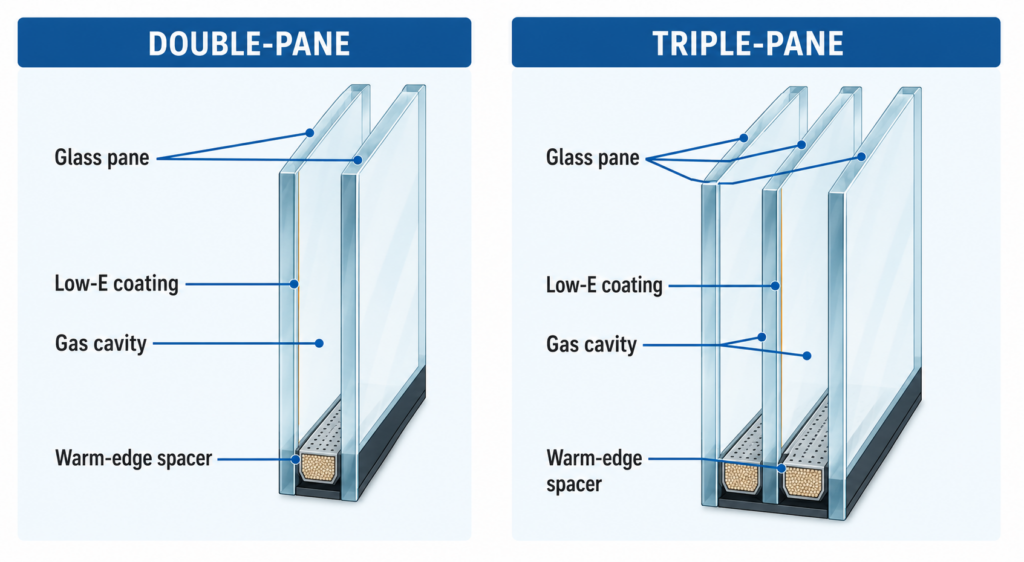
Double-pane windows: Two panes of glass separated by one sealed cavity.
Triple-pane windows: Three panes of glass separated by two sealed cavities.
Double-pane windows: Can be highly energy-efficient when combined with an insulated frame, appropriate Low-E coatings, inert-gas fill and warm-edge spacers.
Triple-pane windows: Usually achieve a lower U-factor than the equivalent double-pane model from the same product line.
Double-pane windows: Provide a major comfort improvement compared with old single-pane windows or windows with failed sealed units.
Triple-pane windows: Usually maintain a warmer interior glass surface, helping reduce cold zones near large windows during winter.
Double-pane windows: Can provide good condensation resistance when properly selected and installed.
Triple-pane windows: Generally provide better condensation resistance because the room-side glass stays warmer. Indoor humidity and installation quality still matter.
Double-pane windows: Can provide meaningful noise reduction, particularly when the glass thicknesses and cavity are designed for acoustic performance.
Triple-pane windows: May provide additional noise reduction, but pane thickness, laminated glass, frame construction and air sealing are also important.
Double-pane windows: Usually allow slightly more visible light when the glass coatings are otherwise similar.
Triple-pane windows: The additional pane and coatings may reduce visible light slightly, although the actual difference depends on the product.
Double-pane windows: Lighter and easier for operating hardware to support.
Triple-pane windows: Heavier and require frames, hinges and operating hardware engineered for the additional weight.
Double-pane windows: Generally have a lower initial price.
Triple-pane windows: Cost more, although the exact upgrade price depends on the manufacturer, window size, operating style and complete project.
Double-pane windows: Often provide the best balance for value-focused projects and comfortable, well-insulated homes.
Triple-pane windows: Often make sense for comfort-focused, high-performance or noise-sensitive projects.
A triple-pane window will normally provide better thermal performance than the equivalent double-pane model from the same product line. Nevertheless, homeowners should compare certified whole-window ratings rather than relying on pane count alone.
Triple-pane windows can be worthwhile in Toronto because homes must perform through cold winters, humid shoulder seasons and warm summers. However, Toronto’s climate does not make triple glazing mandatory for every window.
The most noticeable benefit is often improved comfort, rather than a dramatic reduction on a single utility bill.
During winter, the inside surface of a better-insulated window remains warmer. That reduces the cold sensation people experience while sitting or sleeping near the glass. The difference may be particularly noticeable around large living-room windows, bedroom windows and home-office windows.
Triple-pane windows are particularly worth comparing for:
A high-quality double-pane window may still be the better purchase when the triple-pane price difference is substantial, the opening is small, the room is already comfortable or the budget would be better spent correcting deteriorated frames and installation problems.
The decision should be based on the needs of each home—not a general claim that one glass package is always best.
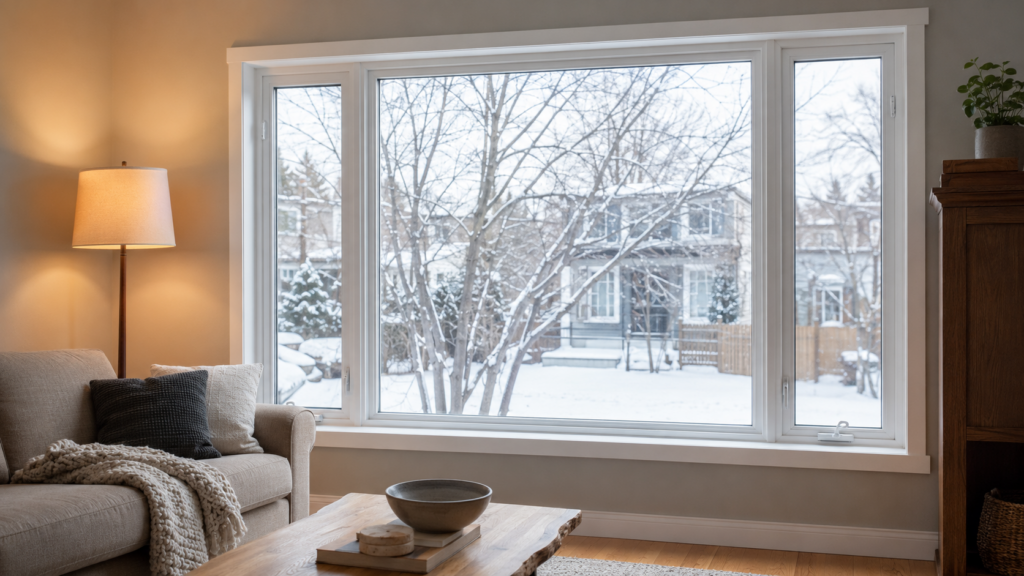
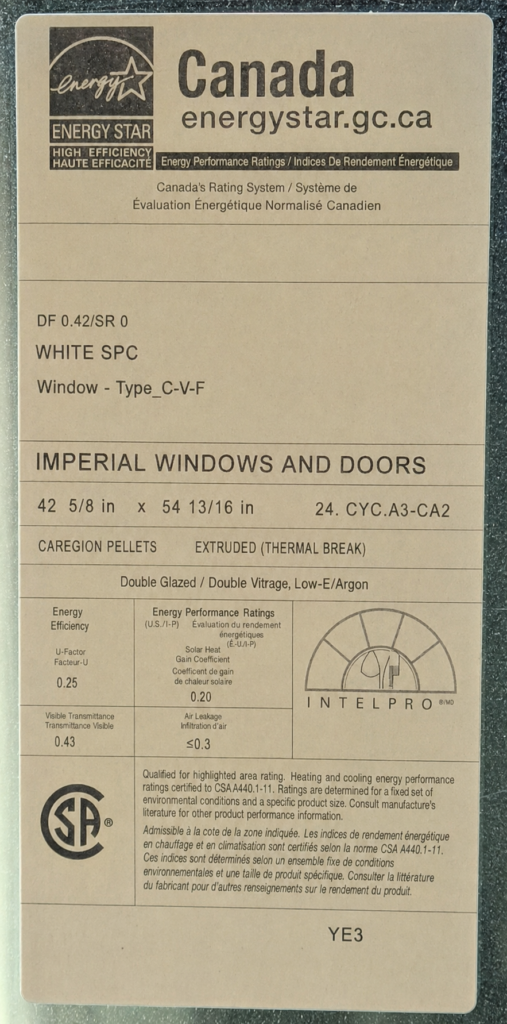
Natural Resources Canada evaluates windows using complete-product performance. When comparing quotations, ask for certified ratings for the exact manufacturer, window model, operating style and glass package being quoted.
The U-factor measures the rate of heat transfer through the complete window. A lower U-factor is better.
Natural Resources Canada explains that better-performing double-glazed windows can achieve U-factors of approximately 1.2 W/m²·K or lower, while triple-glazed windows can achieve approximately 0.8 W/m²·K.
These numbers illustrate the performance stronger products can achieve. They are not guaranteed ratings for every double-pane or triple-pane window.
Canada’s Energy Rating, or ER, combines the window’s U-factor, solar heat gain and air leakage into one value. A higher ER is better.
ER is useful when comparing overall annual energy performance. U-factor is especially important when winter heat retention and the temperature of the interior glass are the main priorities.
The Solar Heat Gain Coefficient, or SHGC, describes how much solar heat enters through the window.
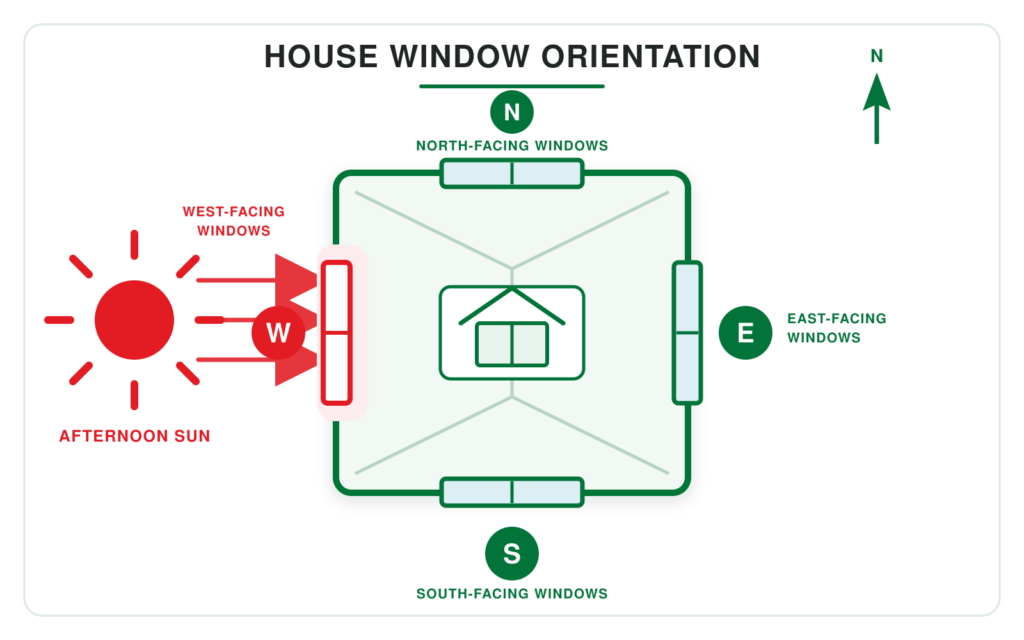
The ideal number depends on the room and the direction the window faces. A west-facing room that overheats on summer afternoons may benefit from a lower-solar-gain package. A different glass package may be appropriate for a shaded or north-facing room where winter heat loss is the larger concern.
Pane count alone does not determine the correct SHGC.
Air leakage measures how much air passes through the window assembly. A low U-factor cannot compensate for a window or installation that allows drafts around the sash or frame.
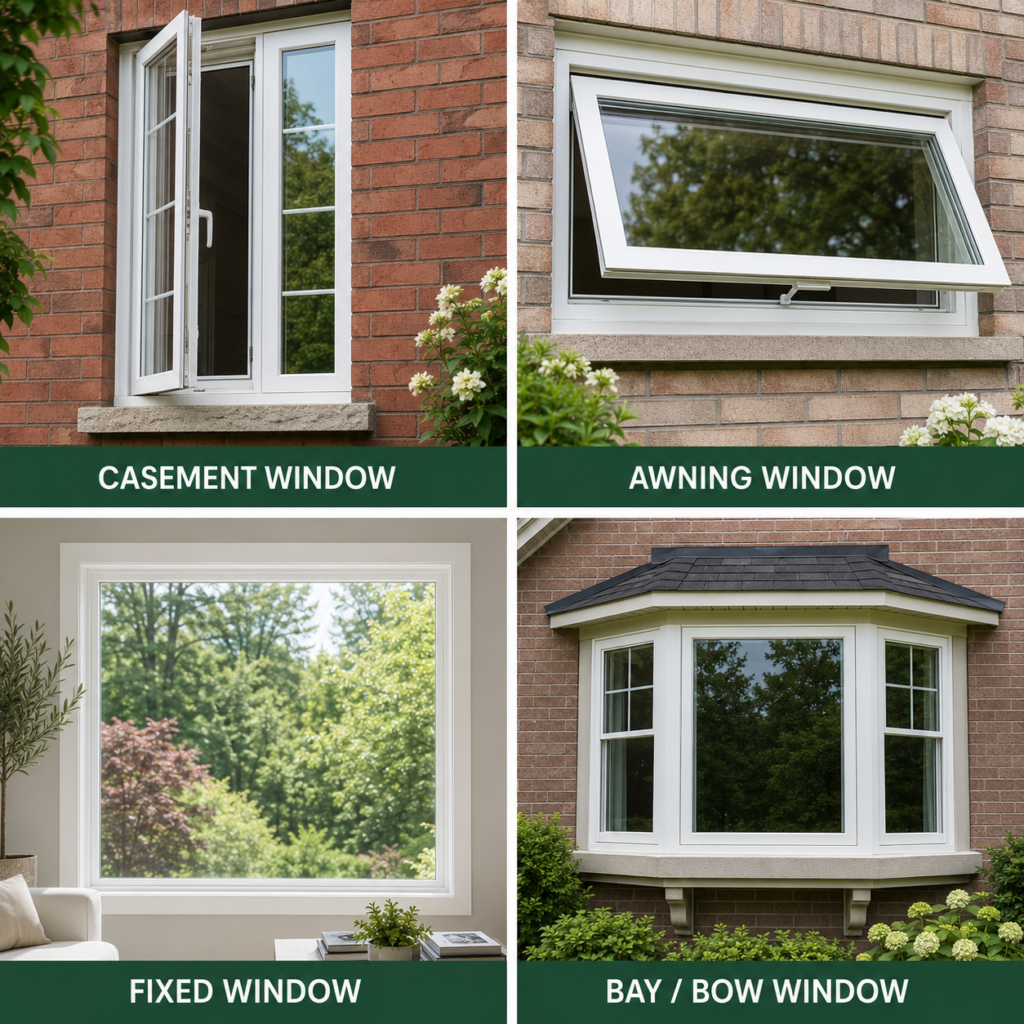
Window style also matters. Casement windows and awning windows close against compression seals and are often chosen when air tightness is a priority.
Visible transmittance measures how much daylight passes through the window.
An additional pane and multiple Low-E coatings can slightly reduce visible light. Compare actual ratings and glass samples, particularly in rooms that already feel dark.
Under Canada’s published criteria, windows generally qualify for ENERGY STAR through a U-factor of 1.22 W/m²·K or lower, or an ER of 34 or higher.
ENERGY STAR Most Efficient windows meet a stronger threshold of a U-factor of 1.05 W/m²·K or lower, or an ER of 40 or higher.
Criteria can change. Homeowners should confirm the exact model using current ENERGY STAR Canada window information.
There is no reliable universal percentage for the cost of upgrading from double-pane to triple-pane windows. The difference varies according to:
Imperial’s Window Replacement Cost in Toronto guide explains how size, style, glass package and installation scope affect the completed project price.
The fairest way to calculate the triple-pane premium is to request two versions of the same quotation. The manufacturer, model, window style, dimensions, colour, installation method, finishing and warranty should remain identical. Only the glass package should change.
Ask the contractor to show:
This gives the homeowner enough information to decide whether the additional comfort and performance justify the actual price difference.
Triple-pane windows can reduce heat transfer, but no contractor can responsibly promise one universal payback period or energy-savings percentage.
Actual savings depend on:
Replacing old single-pane windows, damaged frames or failed sealed units may create a much larger improvement than moving from one modern high-performance product to another.
A basic financial calculation is:
Triple-pane upgrade cost ÷ estimated annual energy savings = simple payback period
However, that calculation does not include the value of improved comfort, reduced condensation risk or better sleep in a street-facing bedroom.

Triple-pane windows generally resist interior condensation better because the room-side glass remains warmer during cold weather. Warmer glass is less likely to reach the temperature at which indoor moisture condenses.
Nevertheless, no window is completely condensation-proof.
Interior condensation can still be affected by:
If moisture appears between the sealed panes, the insulated glass unit has likely failed. That is different from condensation forming on the room-side surface.
Homeowners with recurring condensation should consider ventilation and humidity control alongside window performance. Natural Resources Canada provides additional information in its window-condensation guidance.
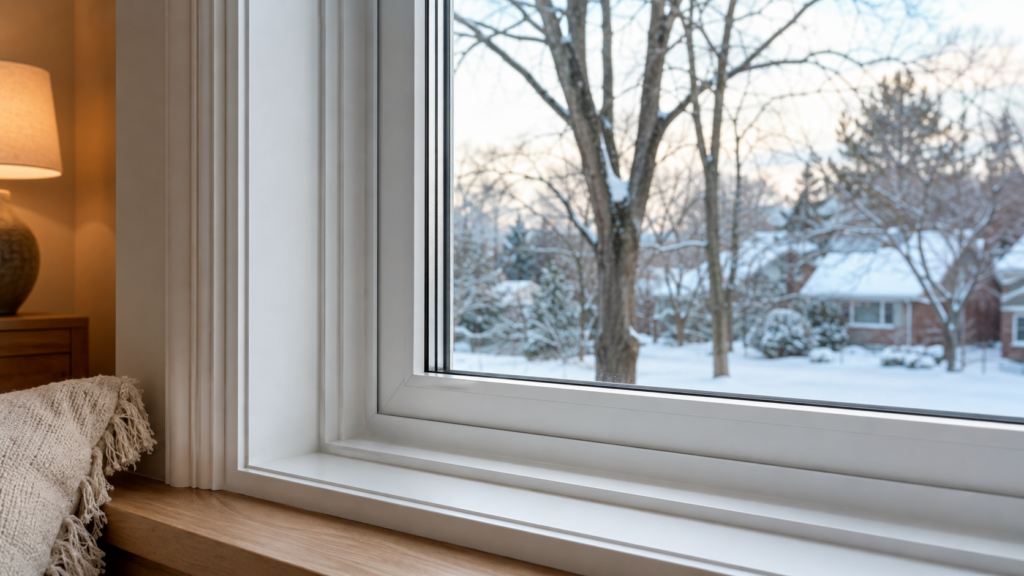
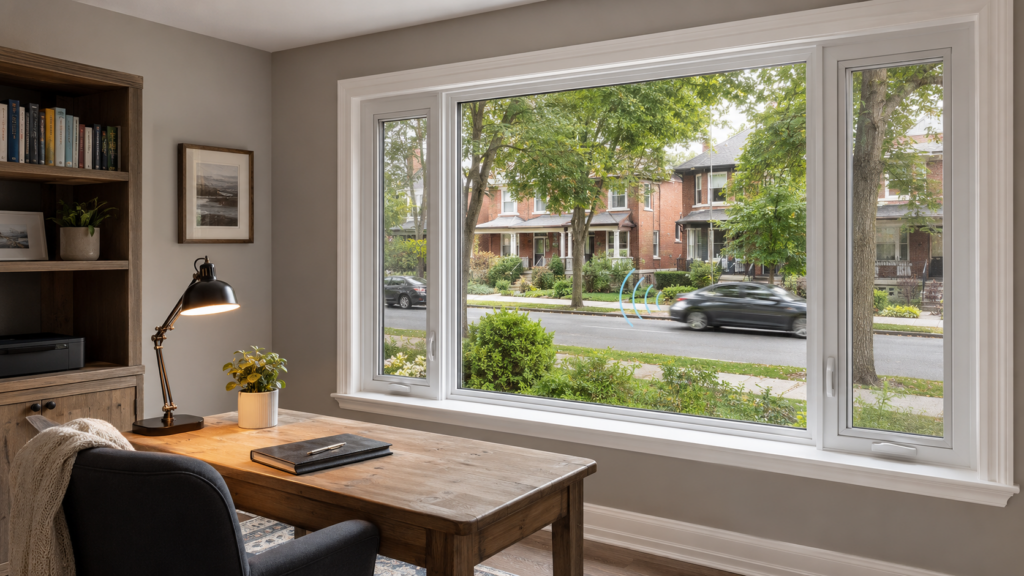
Triple-pane windows can reduce outside noise, but a third pane does not automatically make a window soundproof.
Acoustic performance also depends on:
Research from the National Research Council of Canada found that using different glass thicknesses can improve the sound reduction of both double- and triple-glazed assemblies.
For a home near the Gardiner Expressway, Highway 401, a railway, an airport flight path or a busy arterial road, ask for tested acoustic information such as STC or OITC ratings for the exact window assembly.
A purpose-designed double-pane acoustic unit can sometimes outperform a basic triple-pane unit. The correct comparison is between tested products—not simply two panes versus three.
Triple-pane windows may allow slightly less visible light than comparable double-pane units because daylight must pass through another layer of glass and possibly another Low-E coating.
For many well-designed products, the difference is subtle. It may become more noticeable when a glass package uses several coatings, darker tints or low-solar-gain treatments.
Before ordering, compare:
The correct glass package should balance daylight, winter performance and summer overheating instead of maximizing one measurement throughout the entire house.
A west-facing room that becomes hot during summer may require different solar-control properties from a shaded north-facing bedroom.
Triple-pane glass is available in many fixed and operating window styles. Because it is heavier, the quality of the frame, hinges and operating hardware becomes especially important.
Casement and awning windows close against compression seals. They are strong choices for homeowners prioritizing air tightness, ventilation and energy performance.
Fixed windows do not have an operating sash, helping them achieve strong air-leakage and thermal ratings. Triple glazing can be particularly useful in large fixed openings where winter comfort near the glass matters.
Slider and hung windows can also use efficient double- or triple-pane glass packages. Because their sashes move along tracks, compare their certified air-leakage ratings rather than assuming they will perform exactly like casement windows.
Bay and bow windows contain a large area of glass and project beyond the exterior wall. The glass package, insulated seat and head boards, roofing, structural support and installation details must work together.
Homeowners can explore Imperial’s full selection of replacement-window styles in Toronto before selecting a glass package.
Yes. Not every window in a home must use the same glass package.
Consider: Triple-pane glass or a tested acoustic package.
Why: Additional thermal and acoustic performance may improve sleeping comfort, particularly near busy Toronto roads.
Consider: Triple-pane glass.
Why: A warmer interior glass surface can improve comfort around large windows that receive limited direct winter sunlight.
Consider: Either double- or triple-pane glass with an appropriate SHGC and solar-control coating.
Why: Managing afternoon solar gain and exterior shading may matter as much as the number of panes.
Consider: High-performance double-pane glass.
Why: A strong double-pane window may provide excellent thermal performance and better overall value when outside noise is limited.
Consider: The package with suitable condensation resistance, privacy glass and ventilation.
Why: Humidity management and privacy may matter more than automatically adding another pane.
Consider: Double- or triple-pane glass based on the certified ratings and room use.
Why: Egress requirements, drainage, frame condition and installation quality may be more important than pane count alone.
A mixed strategy can control the project cost while placing the strongest performance in the rooms where it will be noticed most. Confirm that tint, colour and reflectivity remain visually compatible before ordering.
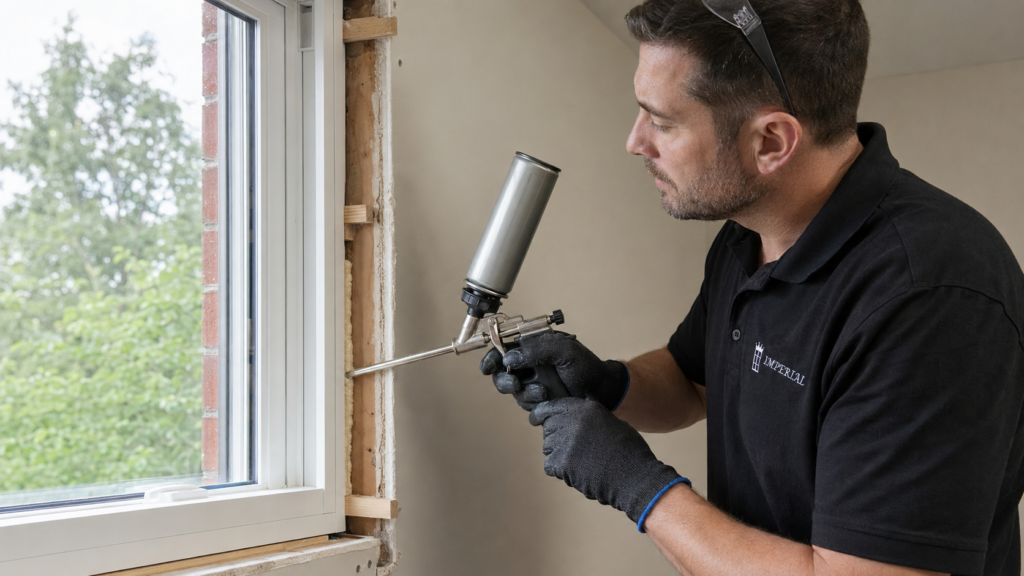
A high-performance triple-pane window can still feel drafty if the opening is measured poorly or the space between the new frame and the wall is not properly insulated and sealed.
The quotation should explain whether the project includes:
A full-frame replacement may be appropriate when old wood is deteriorated, the opening has water damage or the homeowner wants access to the rough opening for inspection and insulation.
A properly completed retrofit may be reasonable when the existing frame is solid, square and dry.
The correct method depends on the opening’s condition. Imperial’s window and door installation guide explains why accurate measurements, levelling, insulation, fastening and sealing affect long-term performance.
Spending more on triple-pane glass while accepting poor installation is rarely a good trade. A properly installed high-performance double-pane window may outperform a poorly installed triple-pane unit in real-world conditions.
Triple-pane windows deserve serious consideration when several of the following are true:
A strong double-pane window may be the better choice when:
Choosing double-pane does not mean choosing an inefficient window. Modern double-pane windows can include Low-E coatings, argon gas, warm-edge spacers, insulated vinyl frames and strong ENERGY STAR ratings.
The best option is the window that provides the correct balance of performance, installation quality and project cost.
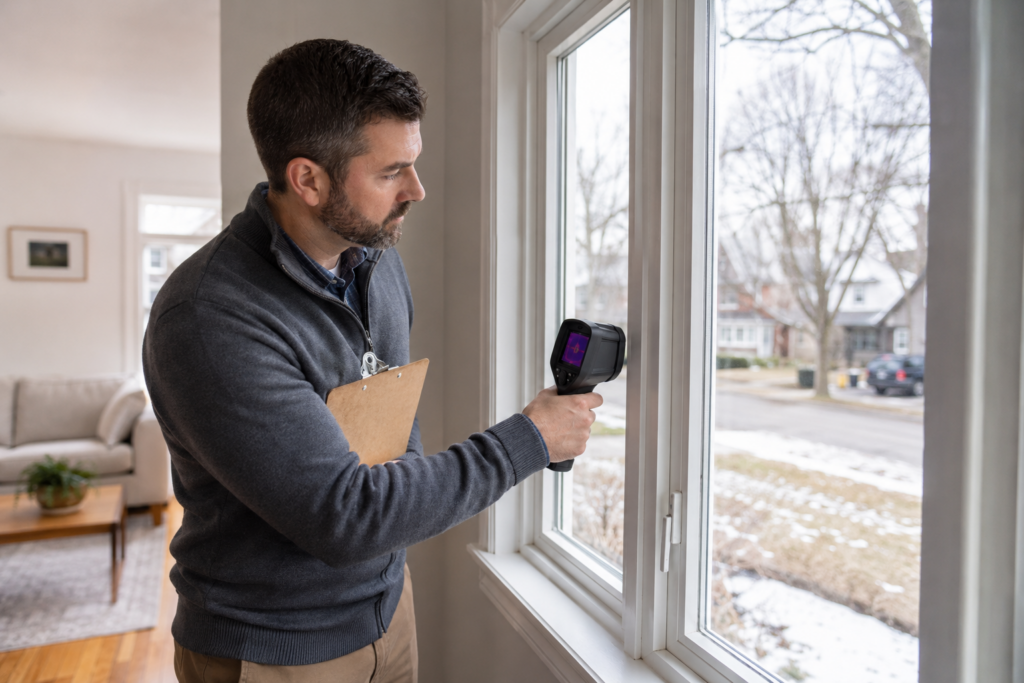
Bring these questions to every window quotation:
Homeowners comparing contractors can also read Imperial’s detailed review of the best window companies in Toronto.
Rebate eligibility depends on the current program requirements and the certified performance of the exact window—not simply whether the product has two or three panes.
Ontario’s Home Renovation Savings program currently provides $100 per eligible window or door rough opening when all applicable conditions are satisfied.
The assessment-based program requires homeowners to:
Windows and doors together count as one upgrade category. The homeowner must complete at least one additional eligible category.
Read Imperial’s complete Ontario Window and Door Rebates guide before beginning work. Funding, deadlines, product requirements and eligibility rules can change. Final approval is determined by the program administrator and registered energy advisor.
Imperial Windows & Doors works with established Canadian manufacturers and offers double- and triple-pane replacement-window options for Toronto and GTA homes.
During an estimate, we can help homeowners compare:
Our goal is not to recommend the most expensive glass package for every opening. It is to help each homeowner select the window and installation method that suit the property, priorities and budget.
Homeowners can also review our customer experiences and completed-project feedback before arranging a consultation.
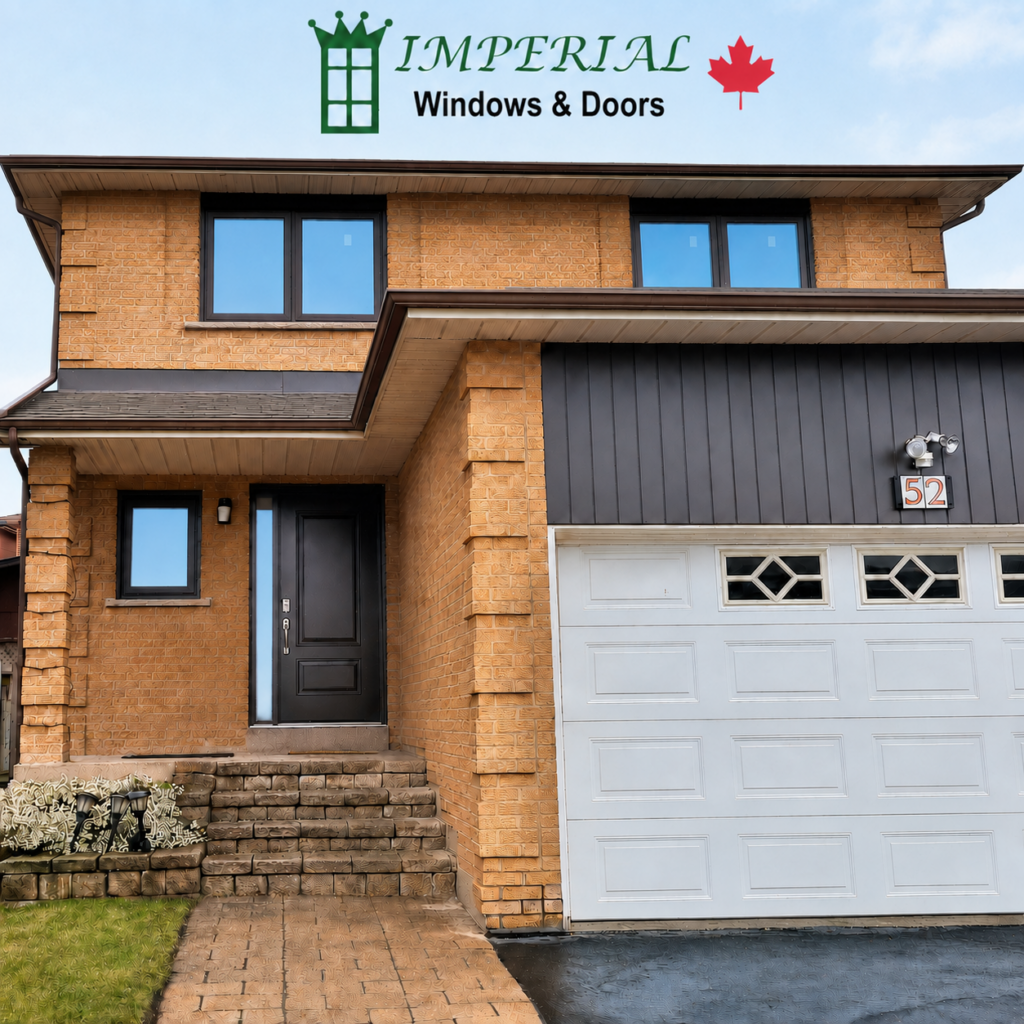
Triple-pane windows can be worth it for Toronto homeowners who prioritize winter comfort, lower heat transfer, condensation resistance or outside-noise reduction. A high-performance double-pane window may provide better value for comfortable, quiet rooms or budget-focused projects.
When two otherwise similar products are compared, the triple-pane version will usually have a lower U-factor. However, an efficient double-pane window can outperform a poorly designed triple-pane product. Compare certified whole-window ratings.
The upgrade price depends on the manufacturer, window size, operating style, coatings, gas fill, hardware and number of openings. Request double- and triple-pane versions of the same quotation to determine the actual difference.
Triple-pane windows can reduce heat transfer, but the effect on utility bills depends on the old windows, total glass area, insulation, air leakage, heating equipment and occupant behaviour. Comfort improvements may be more noticeable than the difference on one bill.
They can reduce outside noise, but glass thickness, laminated glass, cavity spacing, frame design and installation also matter. Ask for tested STC or OITC information when noise reduction is a major priority.
They can reduce the risk of interior condensation by keeping the room-side glass warmer. They cannot compensate for excessive indoor humidity, blocked airflow, inadequate ventilation or installation problems.
Yes. Pane count alone does not determine ENERGY STAR certification. A double-pane model can qualify when its certified U-factor or Energy Rating meets the applicable Canadian criteria.
Yes. A mixed strategy can place additional thermal or acoustic performance in the rooms that need it most while controlling the complete project price. Confirm that colour, tint and reflectivity will remain visually compatible.
It may reduce visible light slightly, but the actual difference depends on the glass, coatings and tint. Compare visible-transmittance ratings and physical glass samples before ordering.
An additional pane is not a substitute for security glazing. Laminated glass, reinforced frames, quality locks and correct fastening are more important when forced-entry resistance is a priority.
The service life depends on manufacturing quality, sealed-unit construction, installation, sun exposure, operating hardware and maintenance. Pane count alone does not determine how long the complete window will last.
Not automatically. The current Home Renovation Savings rebate is based on eligible rough openings and qualifying certified products, not simply the number of panes. Always confirm the exact model and current program requirements.
Triple-pane windows are not an unnecessary luxury, but they are also not an automatic requirement for every Toronto home.
Choose triple-pane when the quoted product provides a meaningful improvement in certified performance and the room will benefit from warmer interior glass, better condensation resistance or improved noise control.
Choose high-performance double-pane when it already meets the home’s needs and the available budget would create more value through better installation, full-frame replacement or replacing additional failing windows.
The strongest decision comes from comparing the exact products—not marketing labels. Review the U-factor, Energy Rating, SHGC, air leakage, installation scope, warranty and actual price difference before signing a contract.
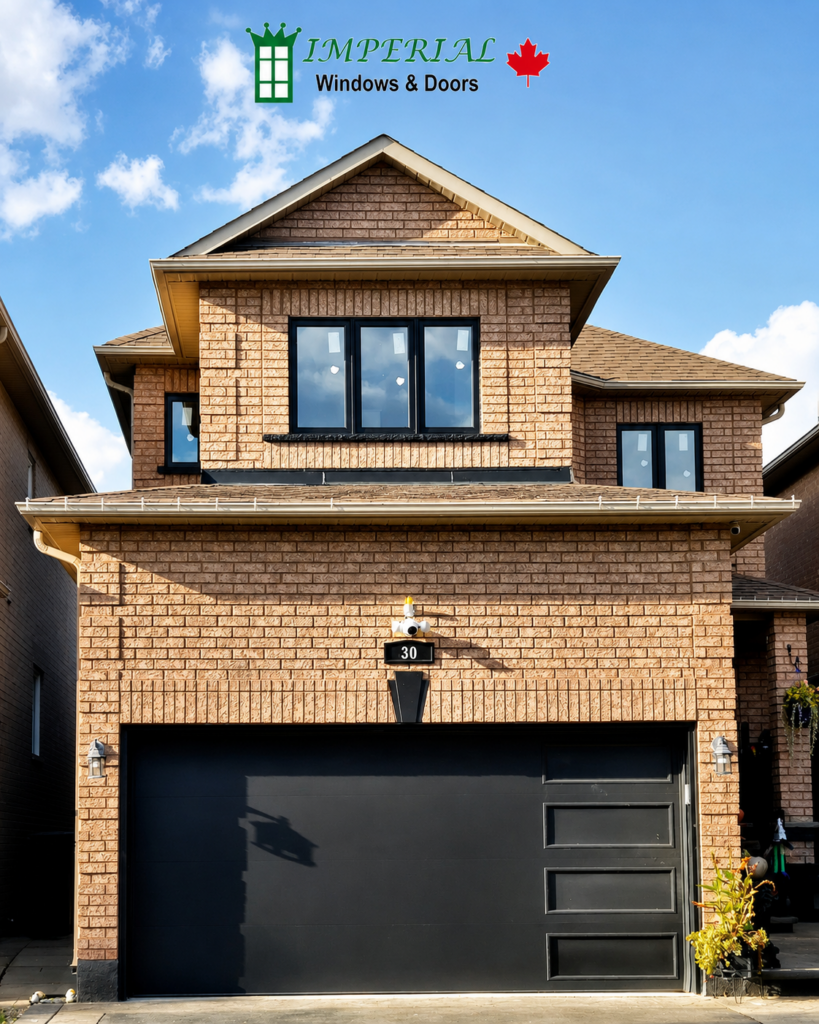
Ready to compare the available options for your home? Request a free window replacement estimate from Imperial Windows & Doors. We will explain the available double- and triple-pane packages and help you choose the right combination for your Toronto or GTA property.

Imperial Windows and Doors have long been serving our valued clients for over 10 years to be exact. We strive to deliver our clients only the finest solutions guaranteed to suit their needs, style, preferences and budget.

Imperial Windows & Doors provides professionally installed replacement windows, entry doors and patio doors for homeowners across Toronto and the GTA.